
Top Solar Inverter Solutions in South Africa for Reliable Energy
By:Admin
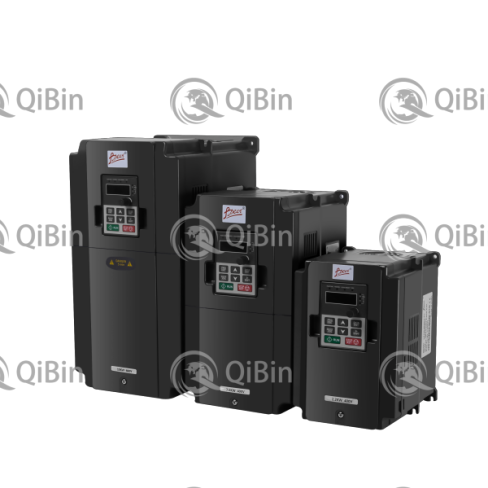
South Africa is experiencing a remarkable surge in the adoption of solar energy solutions, with solar inverters playing a pivotal role in this renewable energy transformation. As the country intensifies its efforts to shift towards sustainable power sources, the demand for efficient and reliable solar inverters has skyrocketed, driven by both residential and commercial sectors.
**Driving Forces Behind Solar Inverter Demand**
The rise in electricity tariffs, coupled with frequent power outages, has prompted South African households and businesses to seek alternative energy solutions. Solar energy, reputed for its cost-effectiveness and environmental benefits, presents an attractive option. Central to harnessing solar power, solar inverters convert the direct current (DC) generated by solar panels into alternating current (AC), suitable for use in homes and industries.
Government initiatives and supportive policies further boost this trend. Programs aimed at promoting renewable energy investments and easing regulatory processes have lowered barriers for consumers and companies wishing to implement solar solutions. Additionally, heightened awareness of climate change and the need for green energy encourages more stakeholders to invest in solar technologies.
**Technological Advancements Enhance Performance and Integration**
Recent advancements in solar inverter technology have significantly enhanced system efficiency and integration capabilities. Modern inverters come equipped with smart monitoring features, enabling users to track energy production and consumption in real-time. This transparency helps optimize energy usage and maintenance, reducing downtime and ensuring longevity of solar installations.
Moreover, hybrid inverters, which can seamlessly integrate with battery storage systems, are gaining popularity. These inverters provide better energy management by storing excess solar power for use during periods of low sunlight or power outages. As energy storage becomes increasingly affordable and accessible, hybrid systems contribute to greater energy independence and grid resilience.
**Market Players Cater to Diverse Customer Needs**
South Africa’s solar inverter market includes a variety of manufacturers and suppliers offering a broad spectrum of products tailored to different scales and applications. From small-scale residential units to large industrial systems, the market addresses a wide range of power requirements.
Local companies have also become instrumental in the supply chain, providing installation services, maintenance, and customer support. Their familiarity with regional conditions and regulations ensures that systems are optimized for South African environments, maximizing performance and reliability.
**Economic and Environmental Impacts**
The proliferation of solar inverter systems positively impacts South Africa’s economy by creating jobs across manufacturing, installation, and service sectors. This growth supports small and medium-sized enterprises (SMEs) and contributes to skills development within the renewable energy industry.
Environmentally, the increased use of solar energy helps reduce carbon emissions and reliance on fossil fuels. It aligns with South Africa’s commitments under international climate agreements and supports sustainable development goals focused on clean energy access.
**Company Spotlight**
[Here insert a brief company introduction tailored to the news context. For example:]
A leading player in the solar inverter market, the company has been instrumental in driving renewable energy adoption across South Africa. With a strong emphasis on innovation and customer-centric solutions, it offers a comprehensive range of inverters suitable for various applications. Its commitment to quality and service excellence has garnered widespread trust among consumers and industry partners alike.
The company also invests heavily in research and development to stay at the forefront of solar inverter technology, ensuring solutions meet evolving energy needs and regulatory standards. Through partnerships with local and international entities, it contributes significantly to the growth and sustainability of South Africa’s renewable energy sector.
**Future Outlook**
The momentum behind solar inverter adoption in South Africa is expected to continue, fueled by declining costs, technological progress, and increasing policy support. Integration with smart grid technologies and expansion in rural electrification efforts are anticipated to open new opportunities.
As the country navigates its energy transition, solar inverters will remain a critical component in delivering reliable, affordable, and clean power to all sectors. Stakeholders across the board—from manufacturers to end-users—stand to benefit from this dynamic market, which promises substantial returns environmentally and economically.
**Conclusion**
South Africa’s commitment to renewable energy is reshaping its energy landscape, with solar inverters at the heart of this transformation. By enabling efficient utilization of solar power, these devices not only address immediate energy challenges but also pave the way for a sustainable and resilient energy future. Continued innovation, supportive policies, and active market participation will be key drivers in harnessing the full potential of solar energy across the nation.