
Solar Pump Installation Cost: Complete Guide and Pricing Details
By:Admin
As the demand for sustainable and cost-effective irrigation solutions grows, solar pump systems have emerged as a game-changer for farmers and agricultural stakeholders. Solar pumps harness the abundant energy of the sun, reducing dependency on traditional electricity or diesel-powered pumps, slashing operational costs, and promoting eco-friendly farming practices. Recent trends in solar pump installation costs reflect increased affordability, making them accessible to a broader section of the agricultural community.
### The Rise of Solar Pumps in Agriculture
Solar pumps are rapidly becoming the preferred choice for irrigation due to their numerous benefits. They operate by using photovoltaic panels to convert sunlight into electrical energy, powering water pumps without the need for grid electricity or fuel. This transition is particularly impactful in rural areas where electricity supply is erratic or unavailable.
Over the past few years, advancements in solar technology and manufacturing efficiencies have contributed significantly to lowering the overall cost of solar pump installations. Farmers now enjoy reliable, low-maintenance, and energy-efficient irrigation methods that boost crop yields while conserving precious energy resources.
### Breaking Down the Solar Pump Installation Cost
Understanding the cost structure behind solar pump installations helps farmers make informed decisions. The total expense generally includes the cost of solar panels, water pump, electronic controllers, installation charges, and ancillary equipment such as pipes or storage tanks if necessary.
- **Solar Panels:** The key to the system, solar panels typically comprise 50-60% of the total cost. Panel prices vary depending on wattage and efficiency, with improvements in technology continuously driving prices down.
- **Water Pump:** Depending on the required capacity (measured in horsepower), the pump’s cost can vary. Submersible pumps and surface pumps target different applications, affecting the price bracket.
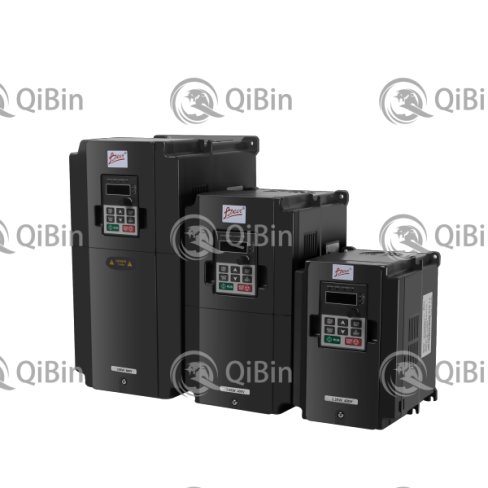
- **Controllers and Electronics:** To optimize the system’s performance and protect equipment, electronic controllers and inverters are integrated. Their cost is relatively minor but vital for system longevity.
- **Installation and Maintenance:** Professional installation services ensure correct configuration and safe operation. Maintenance costs are generally low, with solar pumps prized for minimal upkeep.
According to recent market evaluations, the typical solar pump installation cost for medium-capacity systems ranges from INR 1,20,000 to INR 2,50,000 (approximately USD 1,500 - 3,300). These prices are competitive compared to recurring costs associated with diesel-powered pumps, which involve frequent fuel purchase and maintenance.
Government incentives and subsidies further lower the effective cost for many farmers. Various schemes at central and state levels help subsidize up to 60-90% of the installation cost, accelerating solar pump adoption.
### Environmental and Economic Benefits
The shift to solar pumps is not only beneficial from a cost perspective but also carries significant environmental advantages. By replacing diesel pumps, farmers reduce carbon emissions substantially, contributing to cleaner air and a healthier ecosystem.
Economically, solar pumps offer long-term savings. Since sunlight is free and abundant, operational costs nearly vanish once the system is installed. Moreover, the improved reliability of water supply can lead to better crop management and higher agricultural productivity.
### About [Company Introduction]
[Insert Company Introduction Here]
With extensive experience in renewable energy solutions, [Company Name] is committed to empowering farmers with affordable and efficient solar pumping systems. The company provides end-to-end services, from initial site assessment to installation and after-sales support, ensuring every client receives tailored solutions suited to their agricultural needs.
Leveraging cutting-edge technology and a network of certified technicians, [Company Name] guarantees high-quality installation and durable product availability. Their focus on customer education helps farmers understand system benefits, maintenance needs, and cost-saving opportunities.
As a trusted partner in sustainable agriculture, [Company Name] actively participates in government subsidy programs to make solar pump technology accessible to all farming communities. Their holistic approach fosters improved livelihoods while promoting renewable energy adoption.
### Future Outlook
The solar pump market is poised for rapid growth as more farmers recognize the value proposition. Decreasing panel costs, improved battery storage options, and rising awareness will drive increased installations in coming years.
In conclusion, solar pump installation offers an affordable, reliable, and green alternative for agricultural irrigation. With support from forward-thinking companies like [Company Name] and enabling government policies, the dream of sustainable, energy-independent farming is becoming a reality for millions across the country.
---
*For more information on solar pump installations and how to qualify for subsidy programs, contact [Company Name] at [contact details].*